Investigate, assign, approve, and resolve — in one place.
Give every exception a clear owner and a path to resolution, from the moment it’s detected to the moment it’s closed.
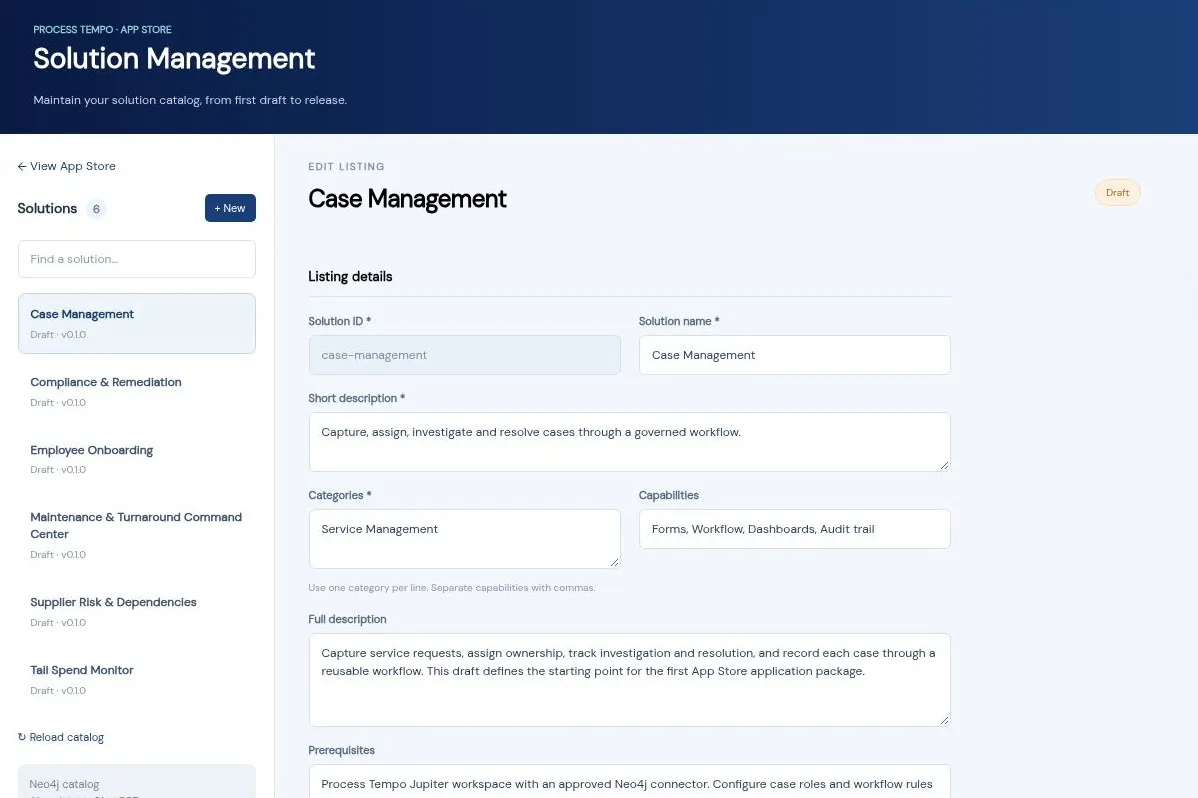
Give every exception a clear owner and a path to resolution, from the moment it’s detected to the moment it’s closed.
The challenge
Finding a problem is rarely the hard part. The exposure comes from what happens next: slow investigations, unclear ownership, and corrective actions that are never completed or verified. In regulated industries, regulators hold organizations accountable for acting on what they already know.
Issues surface in audits, dashboards, or inspections, then get worked over email and spreadsheets.
Ownership blurs when an issue crosses teams, sites, or systems.
Investigations and approvals stall with no visibility into who is waiting on whom.
Nothing connects the original issue to the investigation and the corrective action that closed it.
How Jupiter helps
Surface exceptions from your data, business rules, or AI recommendations.
Give investigators the connected context they need in one application.
Assign owners and route decisions through the right approvals.
Close the case and keep an auditable record of what was done.
In practice · Pharmaceutical
How a pharmaceutical organization connects a known quality risk to the corrective action that resolves it — and can prove it.
A deviation is identified in a program. The issue is known, but the response depends on quality, manufacturing, and site teams working across separate systems, inboxes, and spreadsheets.
Investigations wait for information. Approvals wait for owners. Every day an issue stays open without documented progress adds to the risk. Regulators routinely cite drug manufacturers for investigations that weren’t timely, weren’t extended to all affected batches, or produced corrective actions that were never verified — and those findings can lead to warning letters and further enforcement.
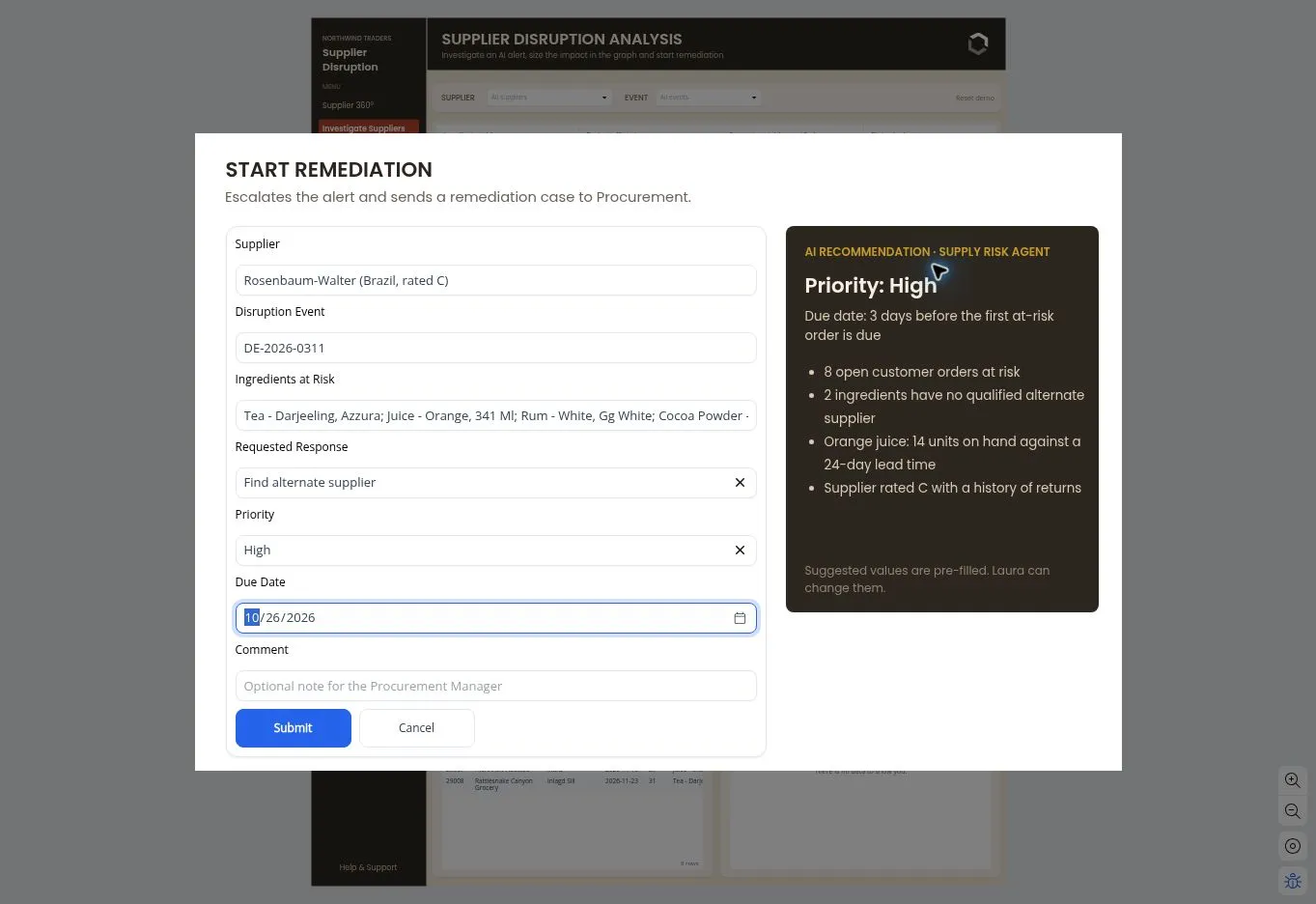
A deviation, out-of-specification result, audit finding, or complaint opens a remediation case — with the source record attached.
Connected data shows which batches, products, and sites may be affected, so the investigation covers the full scope from the start.
The case routes to an accountable owner with a due date. Root cause findings and evidence are recorded in the case, not in email.
The proposed CAPA goes to quality for review and approval. Rejections and changes are captured with their reasons.
An effectiveness check confirms the action worked before the case closes, leaving a complete record ready for inspection.
"We had an antiquated system built on a spreadsheet-based solution. With over 200 different case flows we needed a better system and one that would integrate directly with our existing application infrastructure. We chose Jupiter."
Route cases to accountable owners with due dates, approvals, and escalation.
Learn moreTrace an issue to every connected batch, product, and site to define its true scope.
Learn moreRole-based permissions and an auditable record of every decision and action.
Learn moreSee how Jupiter connects detection, investigation, approval, and verification in one governed workflow.